
Simulations you control
Every simulation has sliders, numbers calculated live and a short explanation with formulas. Change one quantity and see what the rest do.
Physics
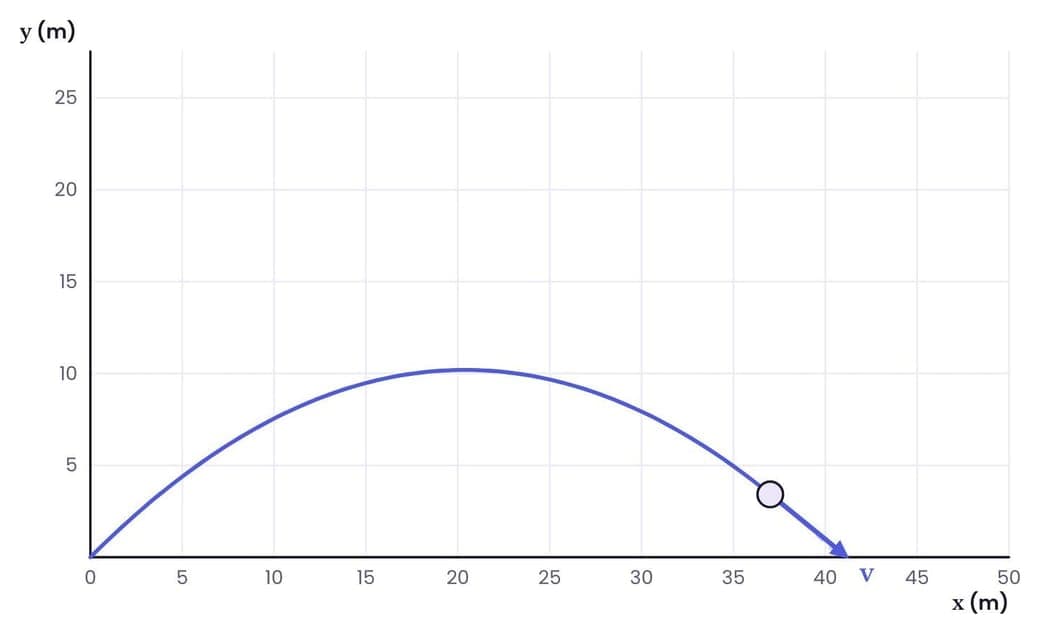 Projectile motionHow angle, speed and air resistance change the path and range of a throw.
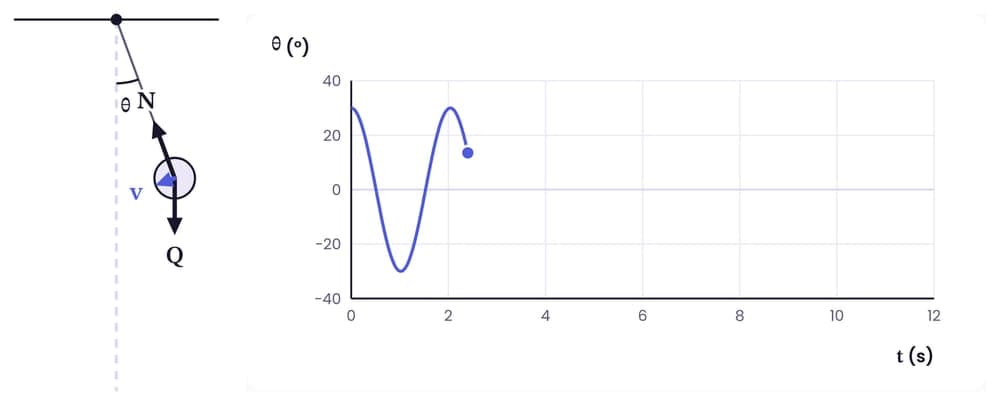 PendulumWhat sets a pendulum's period, and when the textbook formula stops being exact.
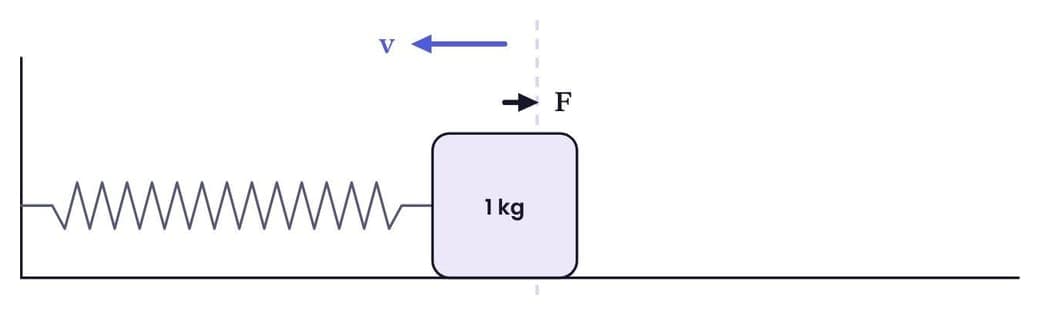 Mass on a springWhat sets the period of a mass on a spring and how damping fades the motion.
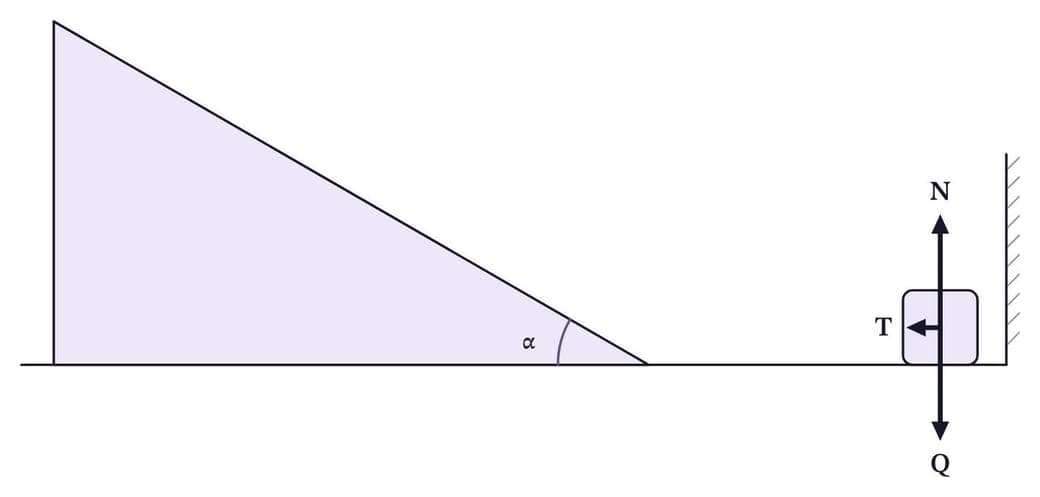 Inclined planeWhen a block starts sliding down a ramp, and how fast it speeds up.
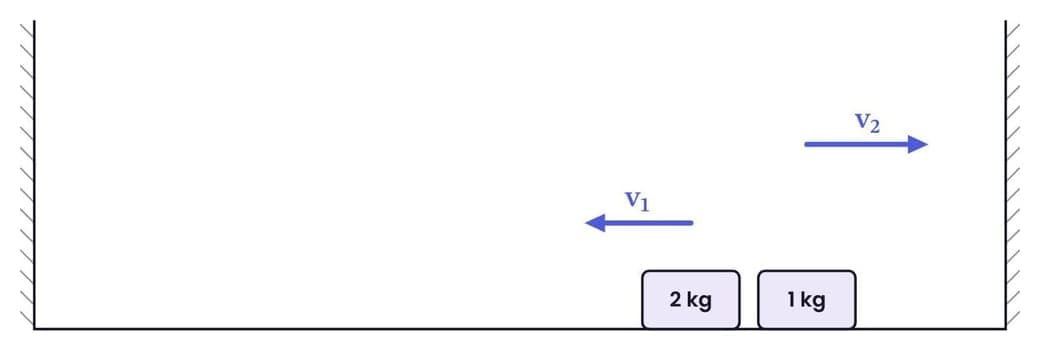 CollisionsMomentum is always conserved, kinetic energy only in an elastic collision.
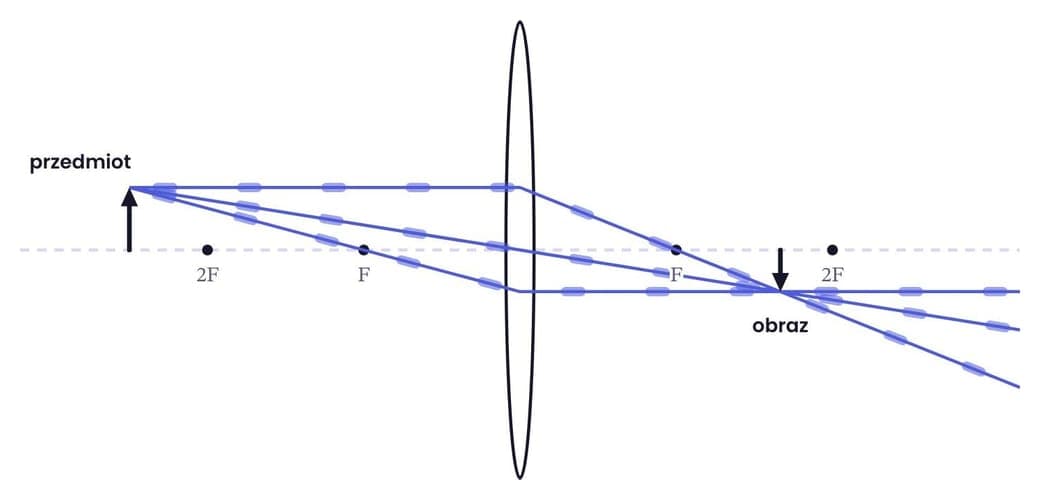 Converging lensConstructing the image with three rays: where the image forms and what it is like.
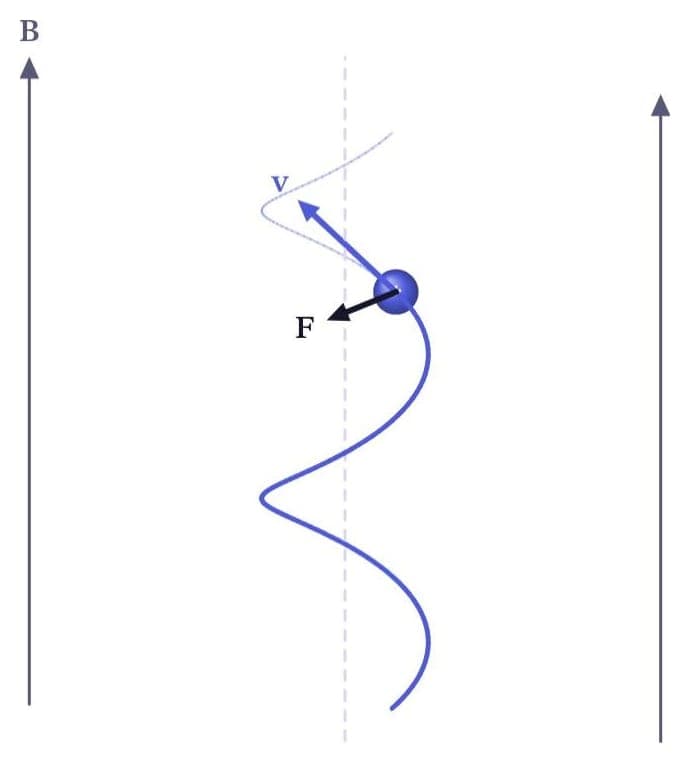 Charge in a magnetic fieldA proton in a magnetic field: the Lorentz force and a helical path, in 3D.
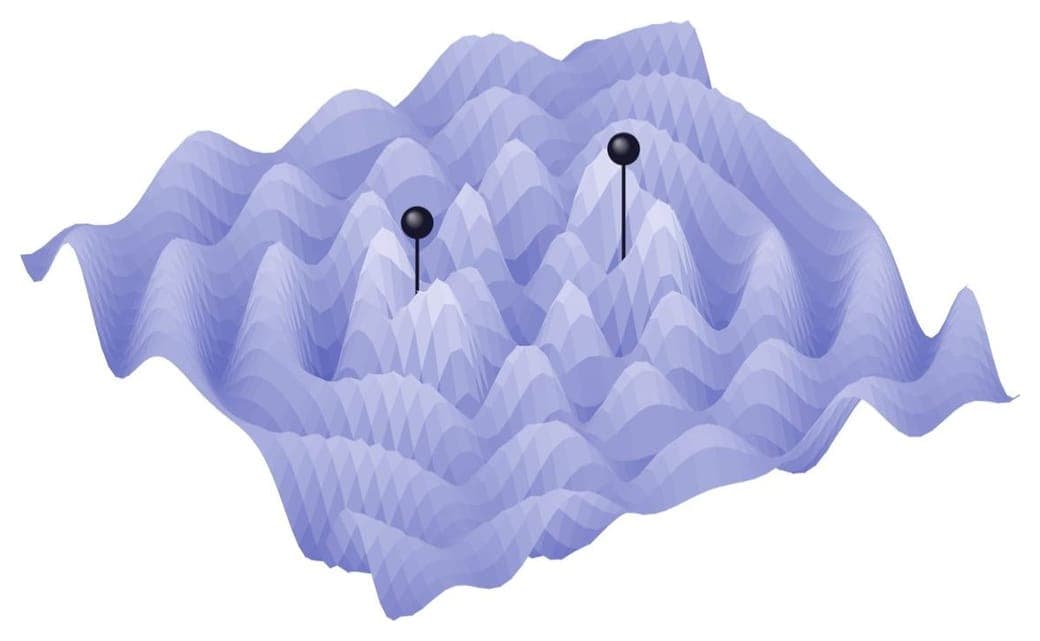 Wave interferenceTwo wave sources on water: where the waves reinforce and where they cancel, in 3D.
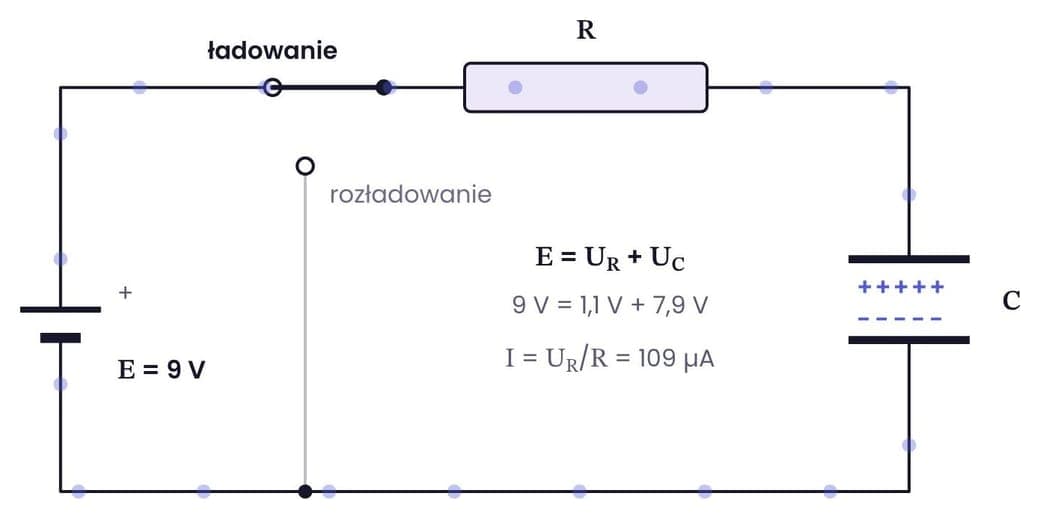 RC circuitCharging and discharging a capacitor through a resistor: time constant, voltage and current.
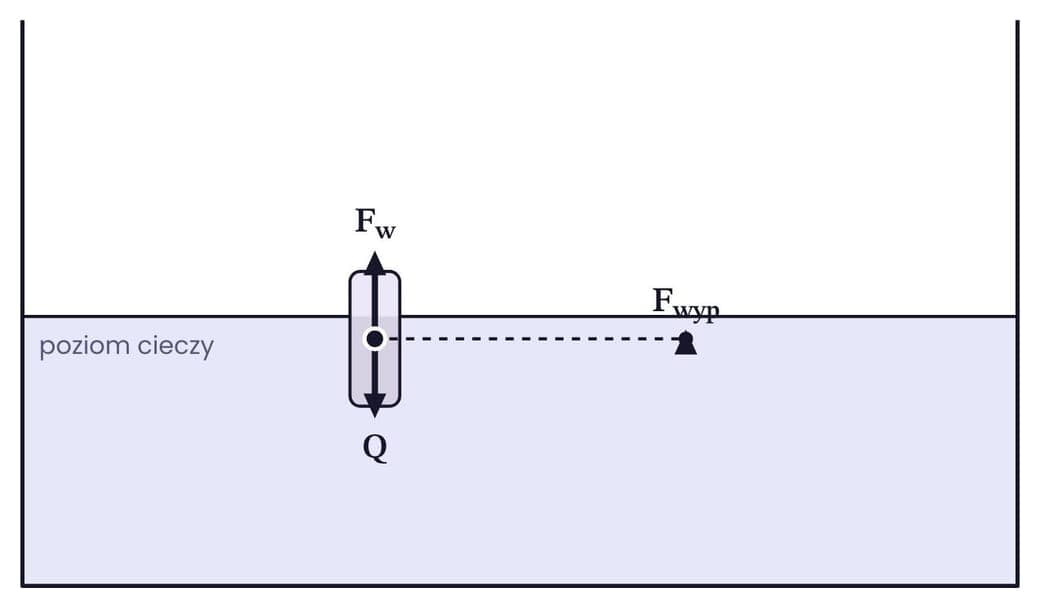 Buoyancy and floatingA floating cylinder oscillates in a liquid because buoyancy acts like a spring.
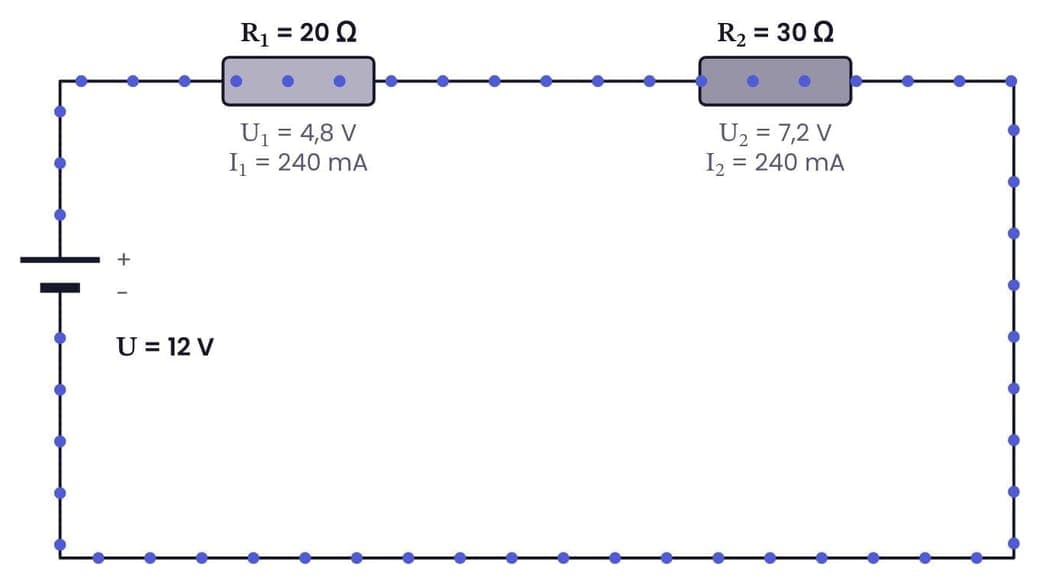 Ohm's law and circuitsTwo resistors in series or in parallel: equivalent resistance, current and voltages.
Chemistry
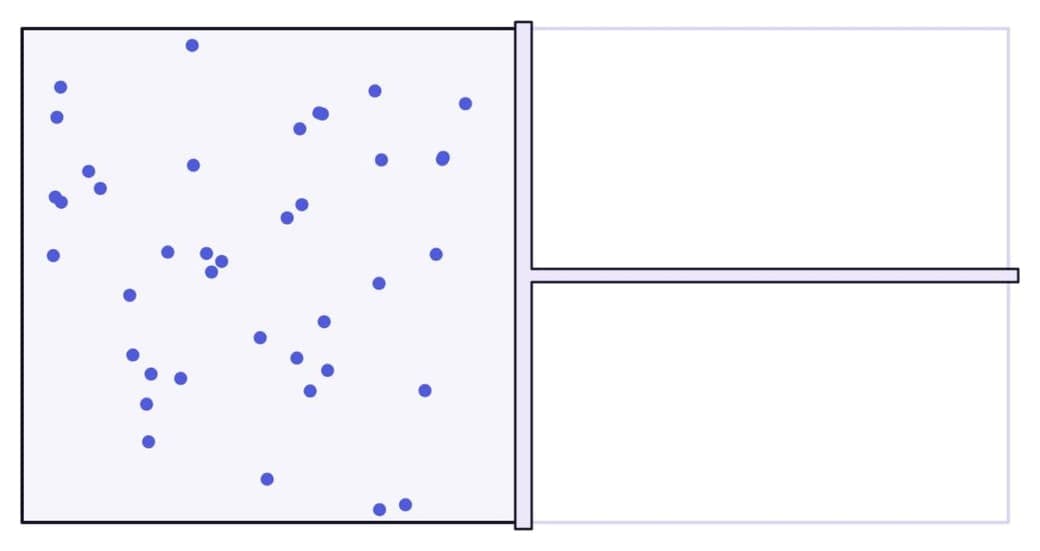 Ideal gasPressure, volume and temperature of a gas, seen through the motion of its molecules.
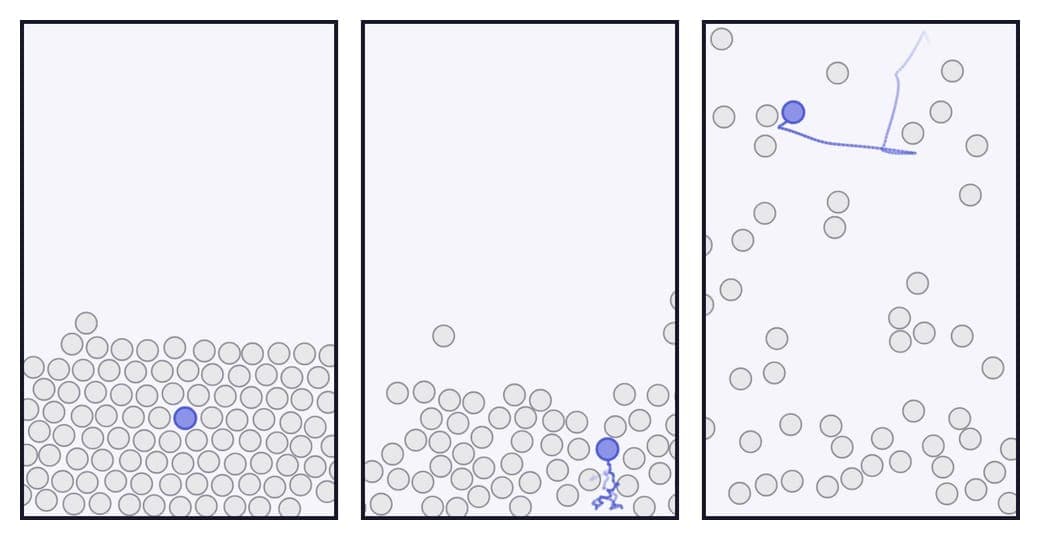 States of matterHow atoms are packed and how they move in a solid, a liquid and a gas: from 0 K and with any number of atoms.
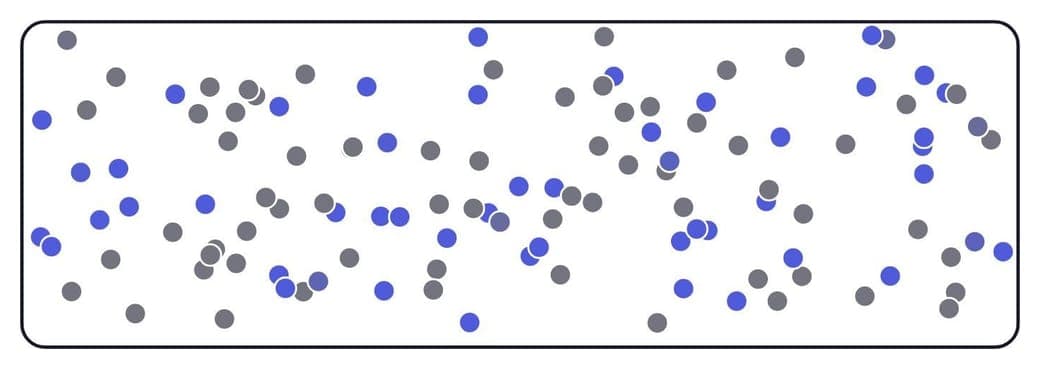 Reaction equilibriumA reversible reaction A ⇌ B: how the concentrations reach equilibrium.
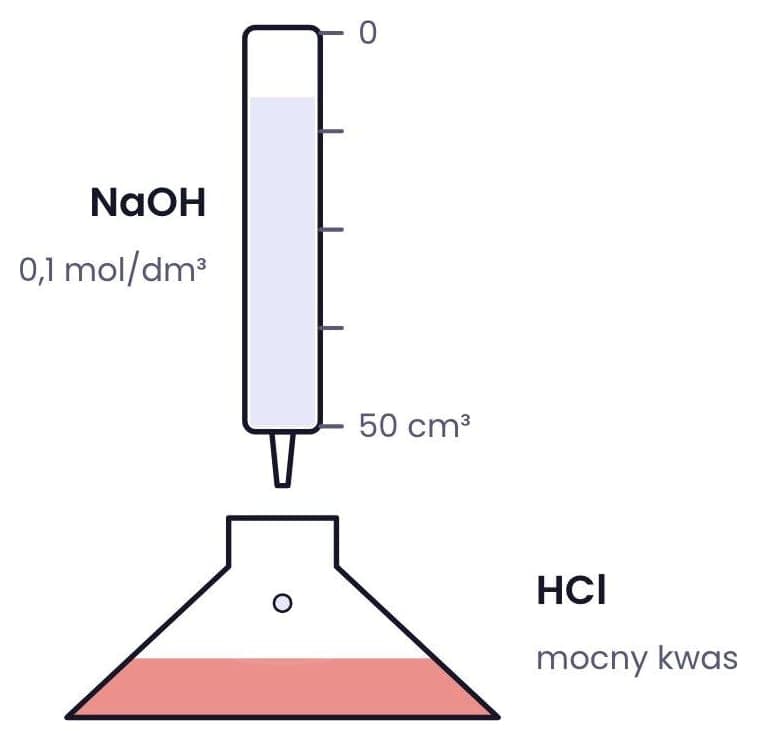 TitrationThe pH jump when a strong or weak acid is titrated with sodium hydroxide.
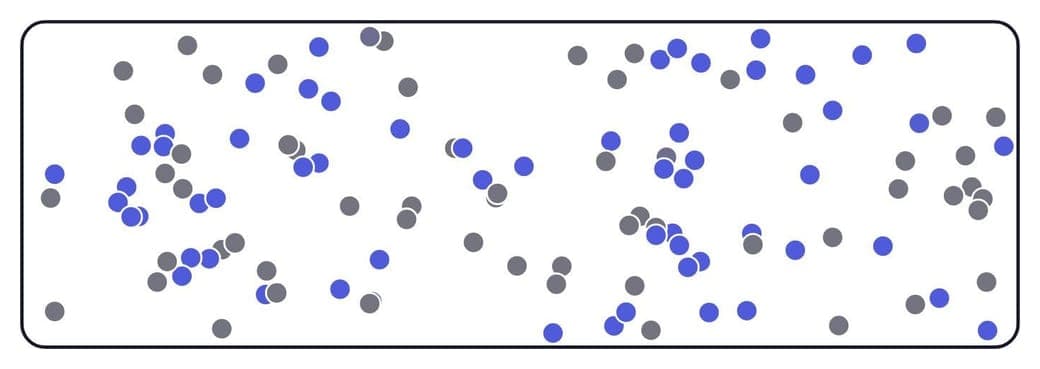 Reaction rateHow a reactant is used up, how reaction orders differ and what temperature does.
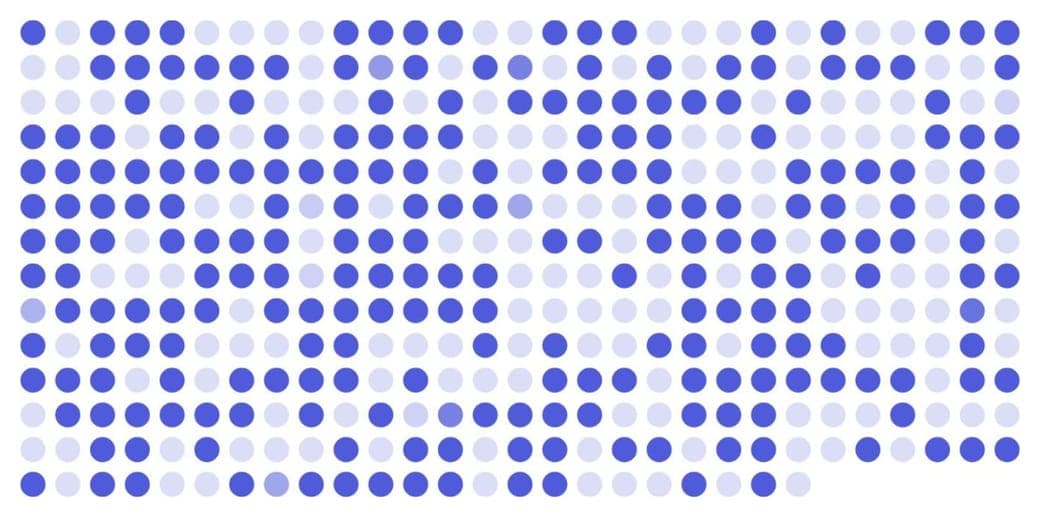 Radioactive decayThe nuclei of an isotope decay at random, and their number halves every half-life.
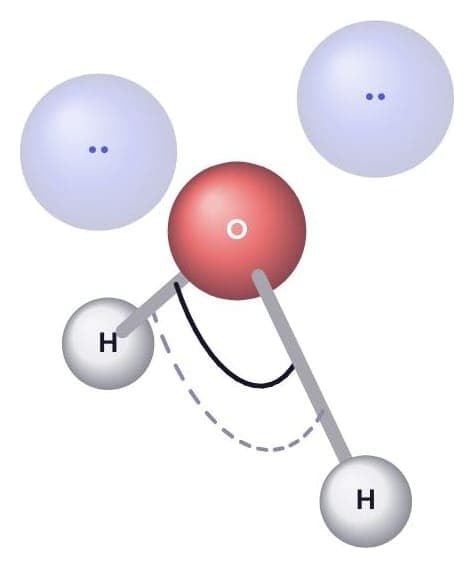 Molecular shapesThe VSEPR model in 3D: shapes of molecules and ions as balls and bonds or space-filling spheres, and why water is bent.
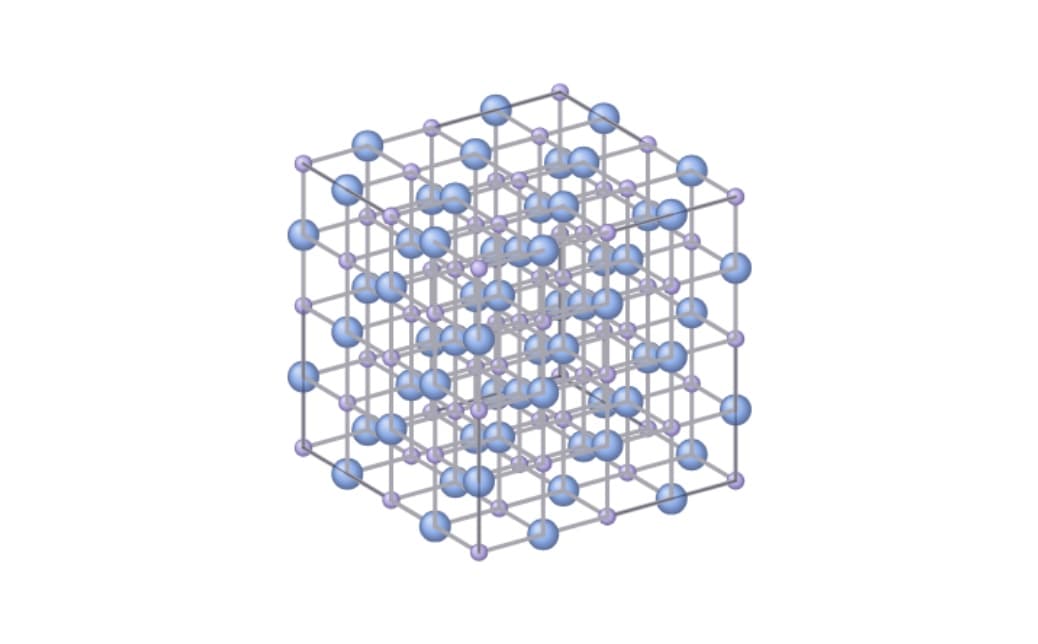 Crystal latticesNine real lattices in 3D: metals, diamond and salts as touching spheres or atoms with bonds.
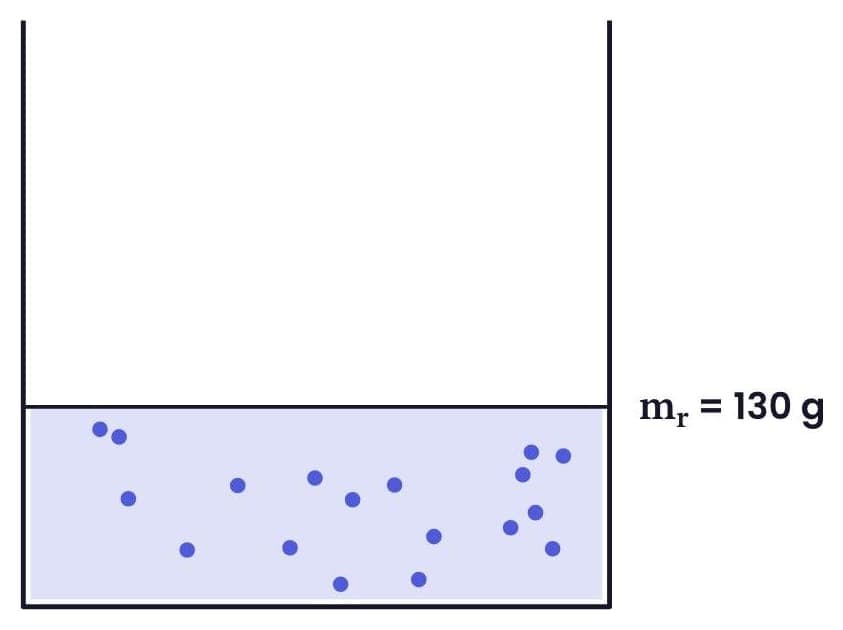 Solubility and percentage concentrationHow much salt dissolves at a given temperature and how concentrated the solution is.
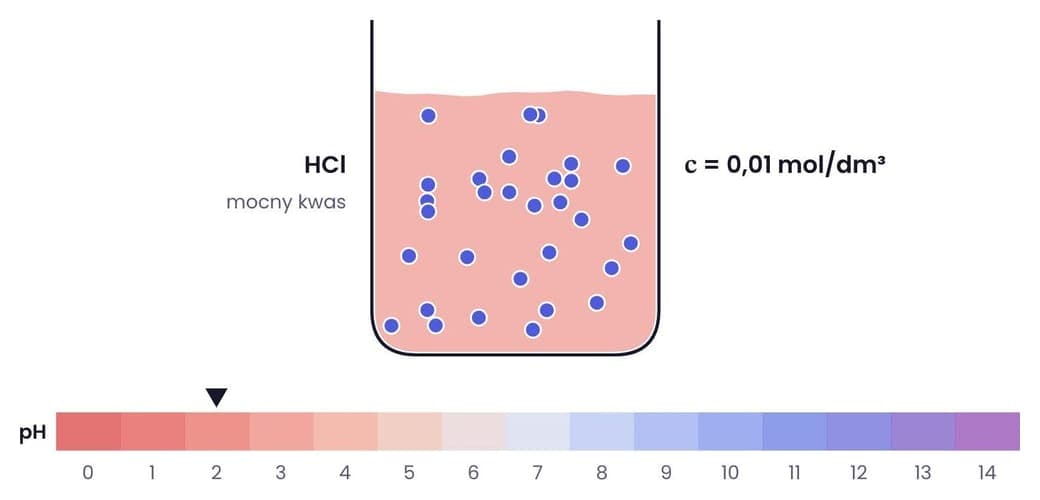 pH scaleHow pH depends on concentration and on whether the acid or base is strong or weak.
Biology
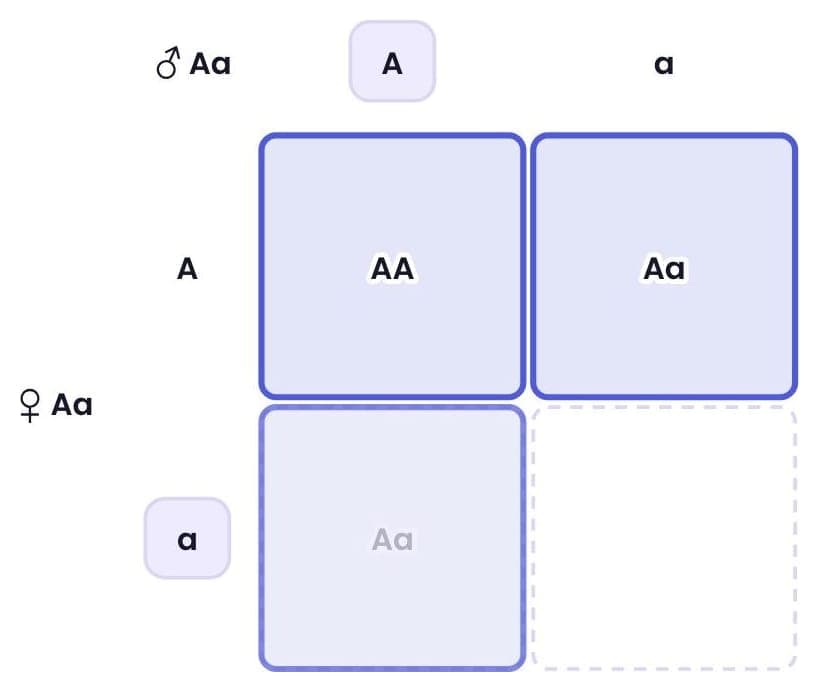 Genetic crossesA Punnett square for one and two traits: genotypes and phenotypes of the offspring.
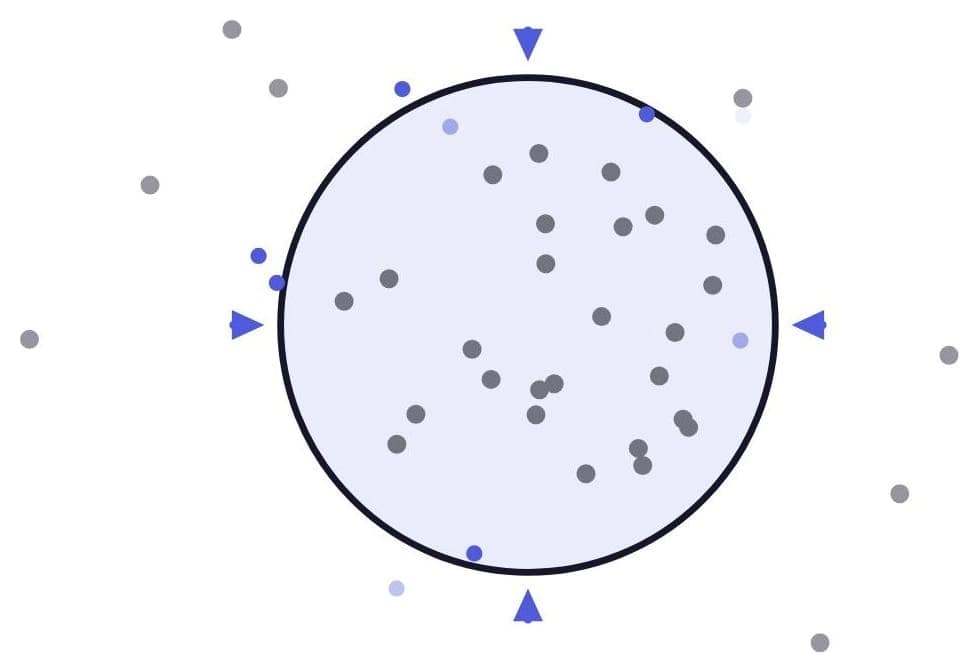 Osmosis and the cell membraneWater moves to the more concentrated solution: a red blood cell swells, shrinks or bursts.
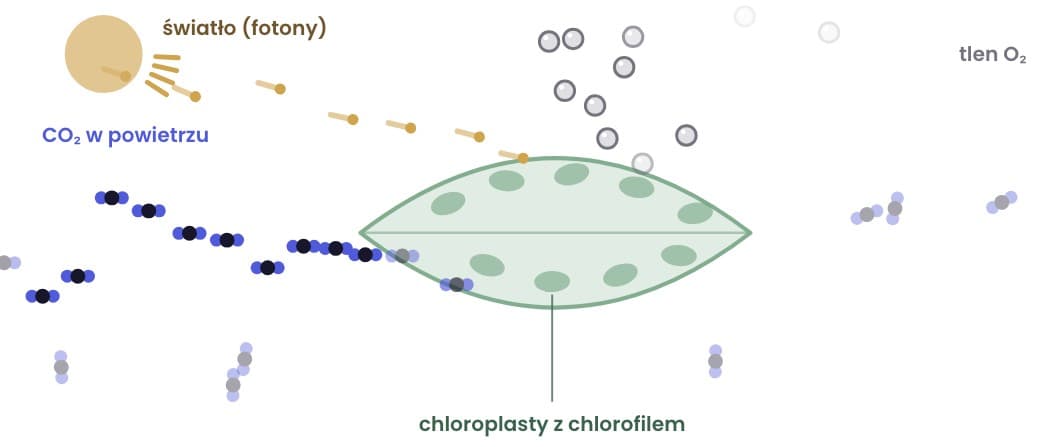 Photosynthesis and cellular respirationHow light, CO₂ and temperature set the rates of photosynthesis and respiration in a leaf.
Engineering
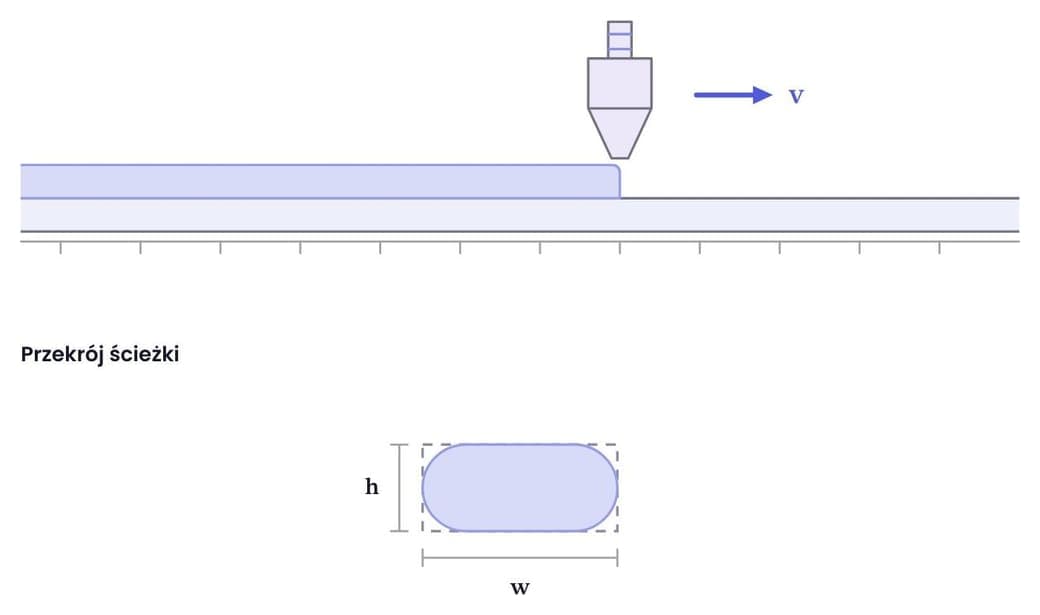 Extrusion flowHow much plastic the hotend must melt per second, and when print speed is too high.
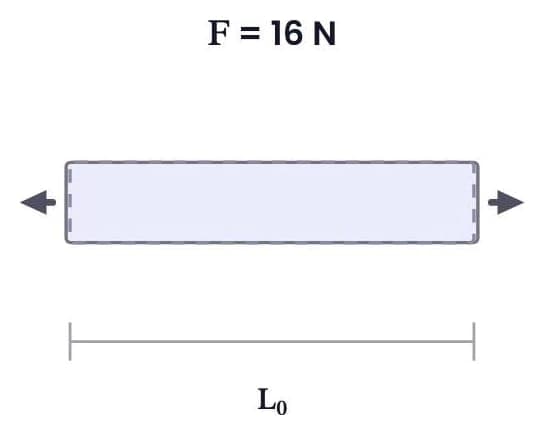 Hooke's law and Poisson's ratioElongation grows in proportion to the force, and the sample gets thinner as it stretches.
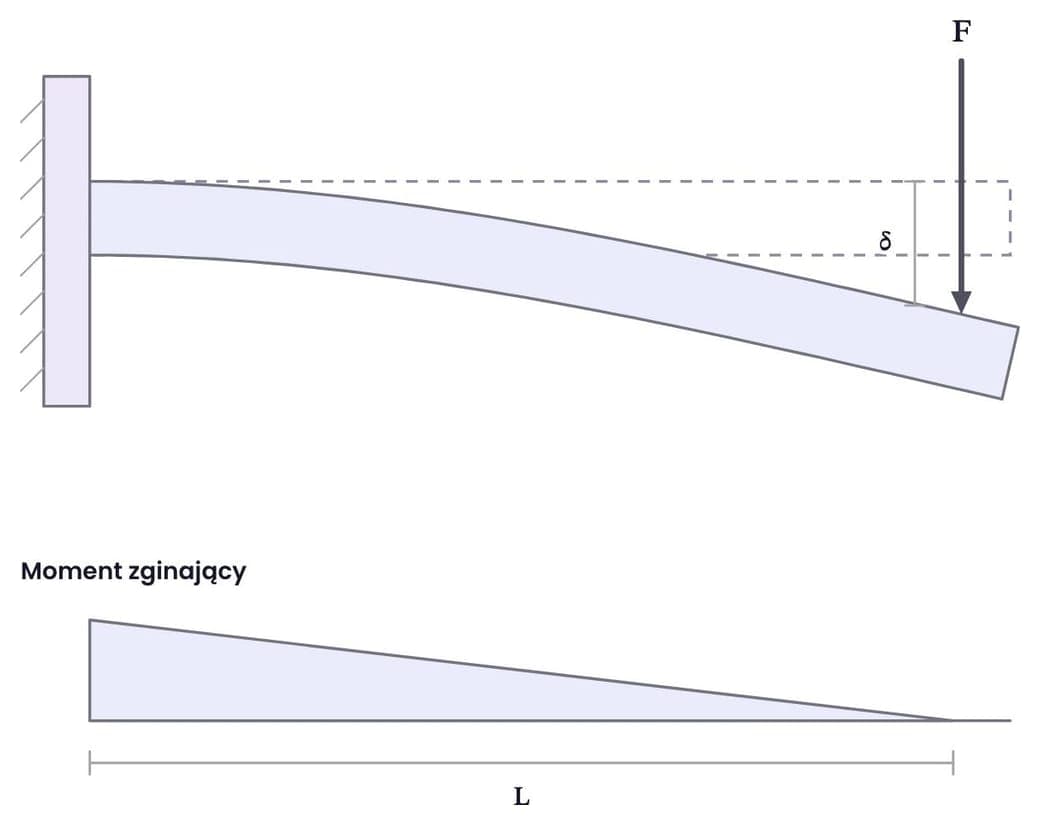 Cantilever beamA cantilever bends more the farther out the force acts and the lower the beam is.
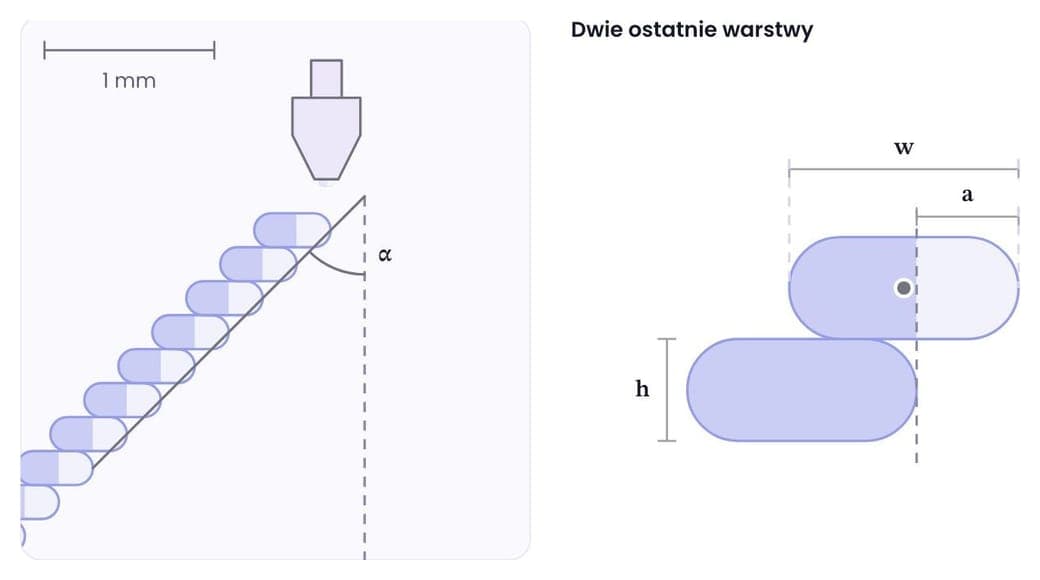 Layer overhangAt what overhang angle the bead loses support from the layer below.
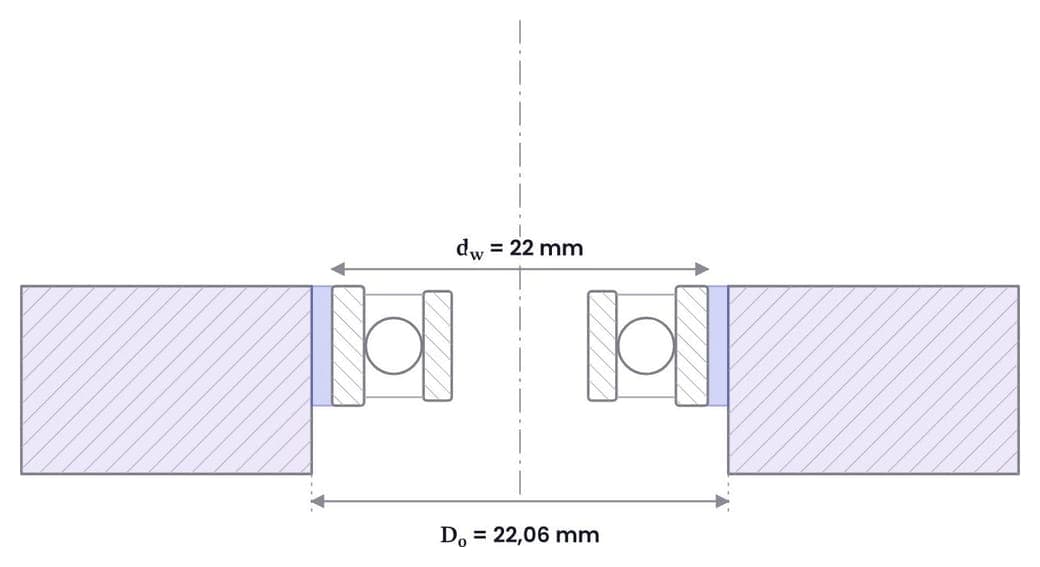 Clearance or interferenceA bearing slides into the hole freely or has to be pressed in, depending on the diameters.
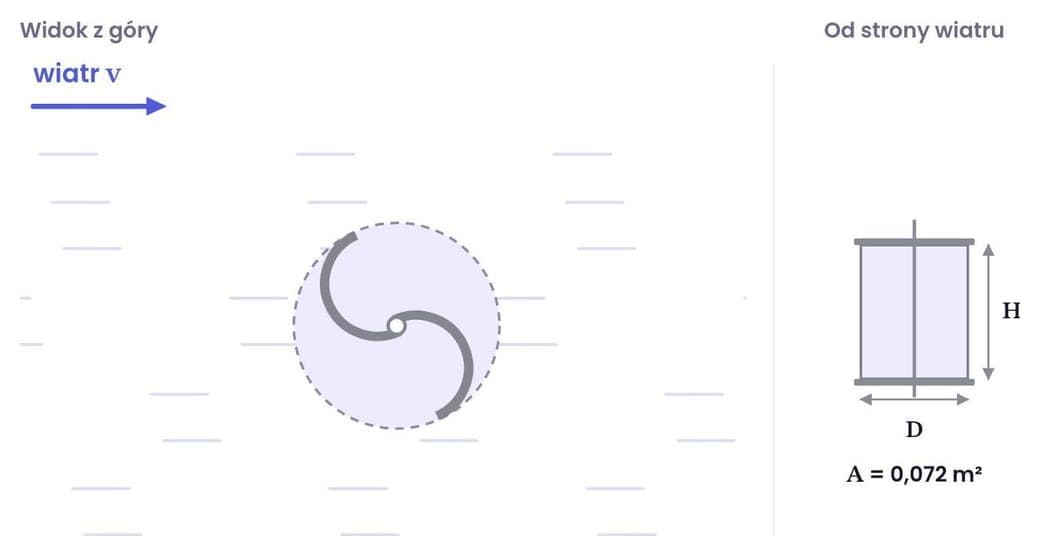 Wind power and the rotorWind power grows with the cube of its speed, and a rotor takes only part of it.
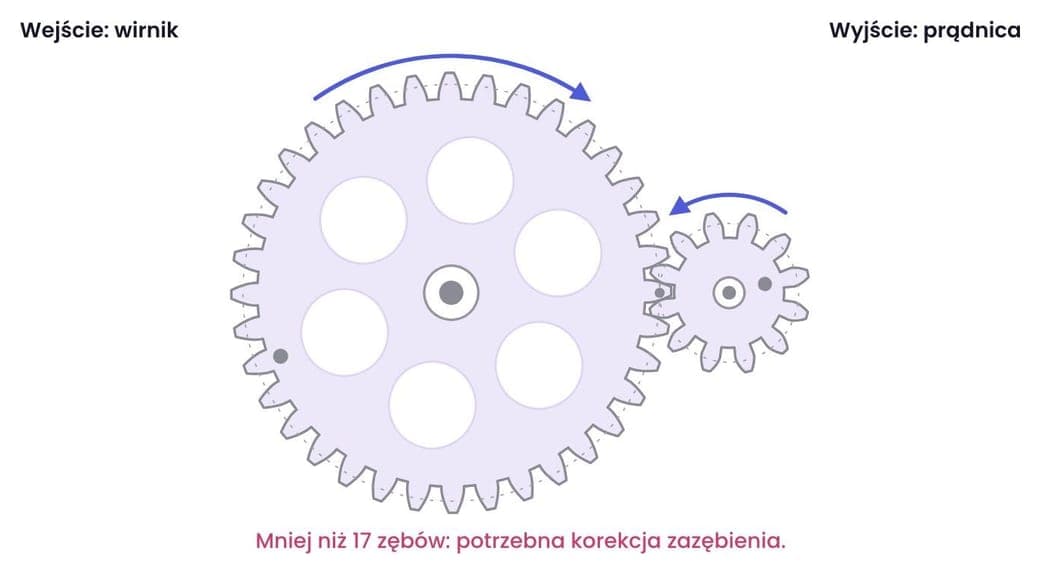 Gear trainA pair of gears trades slow turning and high torque for fast turning and low torque.
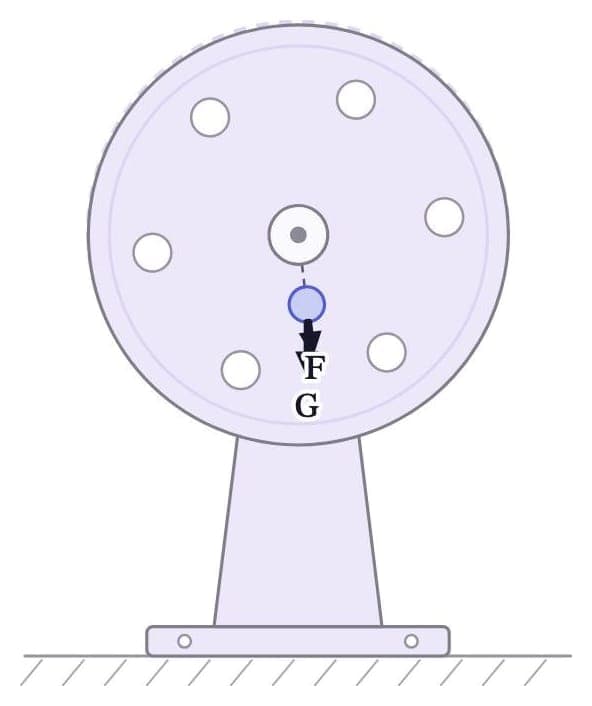 Unbalance forceA small mass off the axis shakes the bearings with a force growing as speed squared.